Watch and listen
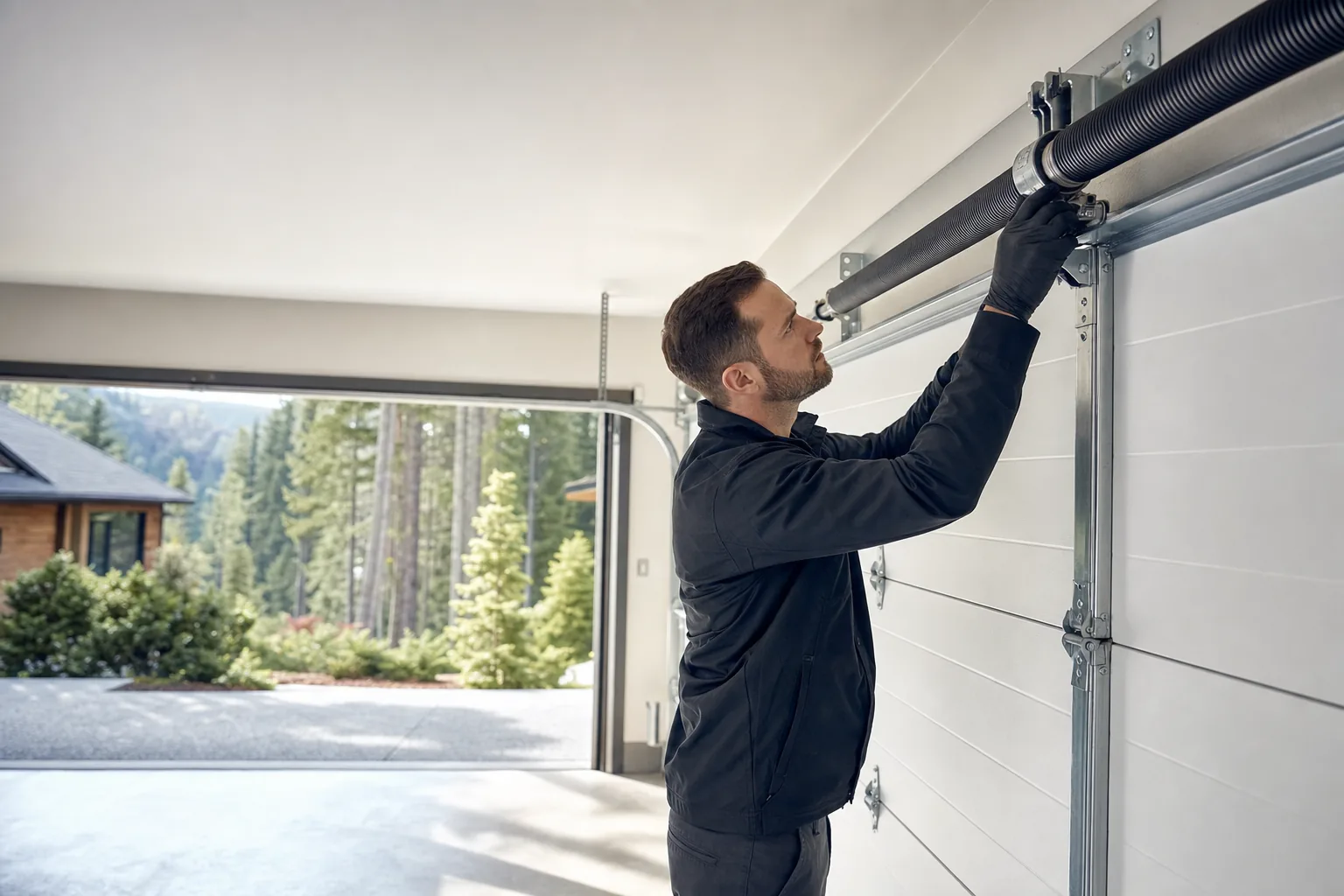
Once a month, stand inside and watch the door run. Jerking, scraping or a door that favors one side means something needs attention.
Your garage door opens and closes more than a thousand times a year. A yearly tune-up catches worn parts before they fail, keeps the door quiet and balanced, and extends the life of your springs and opener.
Most garage door breakdowns give warning signs for months: a squeal, a jerk at the start of travel, a door that drifts down when the opener is released. A tune-up is how we catch those signs early. The technician inspects every moving part, tightens what has worked loose, lubricates what should be lubricated, adjusts the balance and runs the opener’s safety tests. Small problems get fixed on the spot; anything larger gets a clear explanation and a price before we touch it.
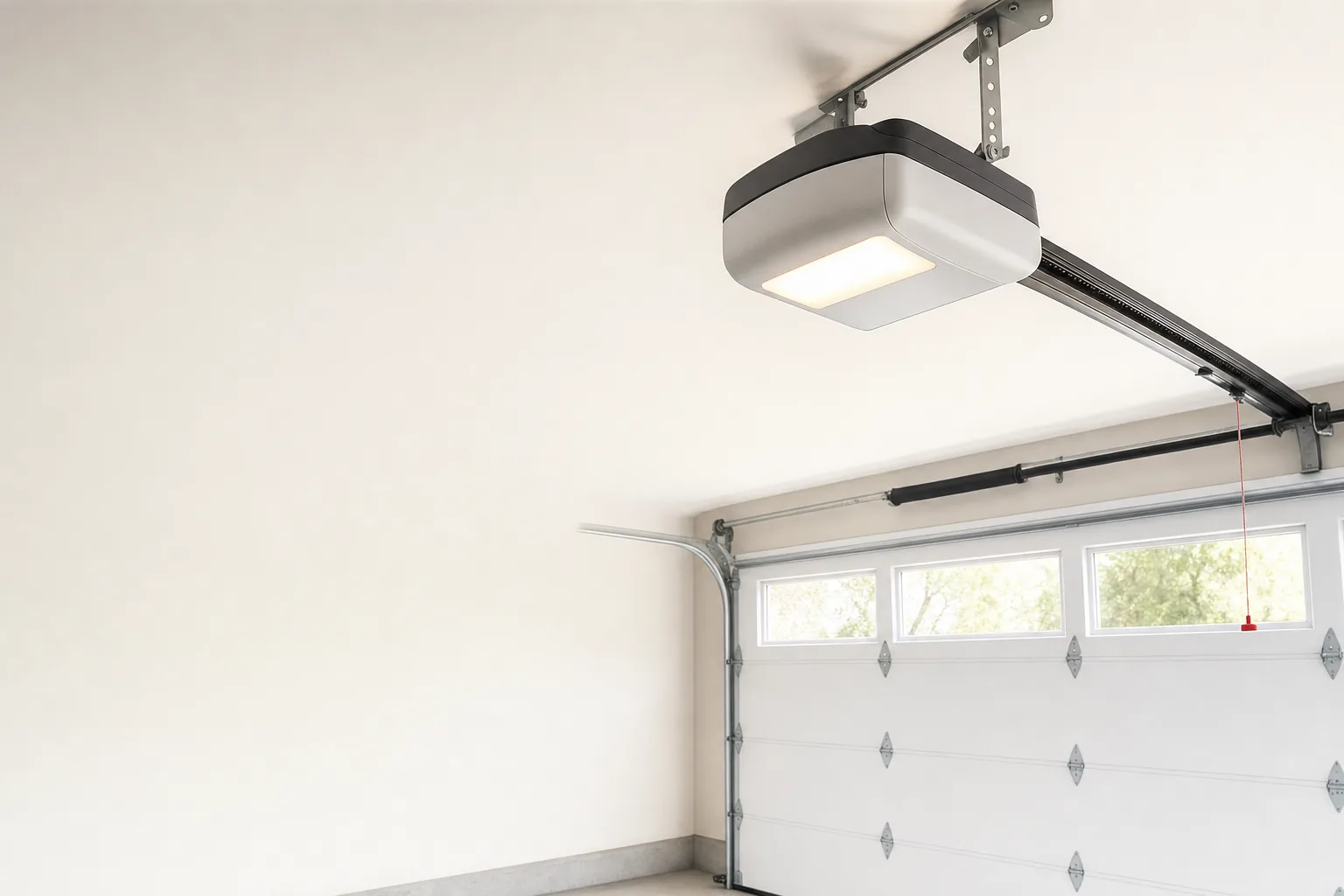
Regular maintenance is especially worthwhile for insulated and wood doors, high-use doors, and any door with a belt or chain opener you would rather not replace early.
Ask about pairing a tune-up with any repair or opener visit.
Request serviceOnce a month, stand inside and watch the door run. Jerking, scraping or a door that favors one side means something needs attention.
Lay a 2×4 flat under the door and close it. The door should reverse when it touches the board. If it does not, stop using the opener and call.
Wipe debris out of the vertical tracks. Do not grease the tracks; lubricant belongs on rollers, hinges and springs.
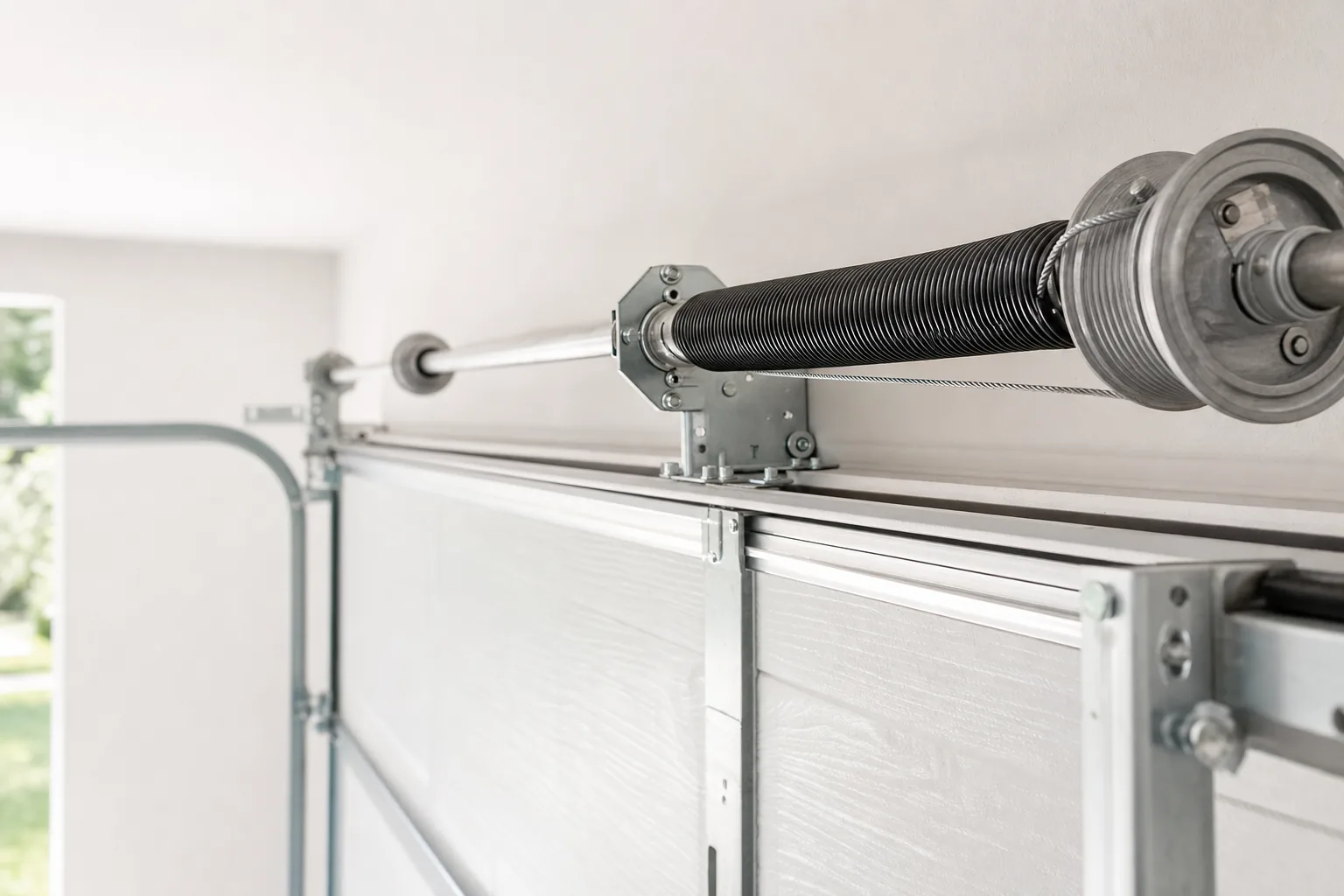
Springs and cables are under extreme tension. Adjusting them is a job for a trained technician with the right tools.
“Excellent service, reliable, and reasonable.”
★★★★★Janice K. · BBB ↗
“They were great! I will recommend them to all our family and friends.”
★★★★★Kelly D. · HomeAdvisor ↗
“Family business and they have been great!!”
Neighbor recommendationT. P. · Nextdoor ↗
Once a year is right for most homes. Doors that cycle many times a day, wood doors and doors near salt air benefit from twice-yearly service.
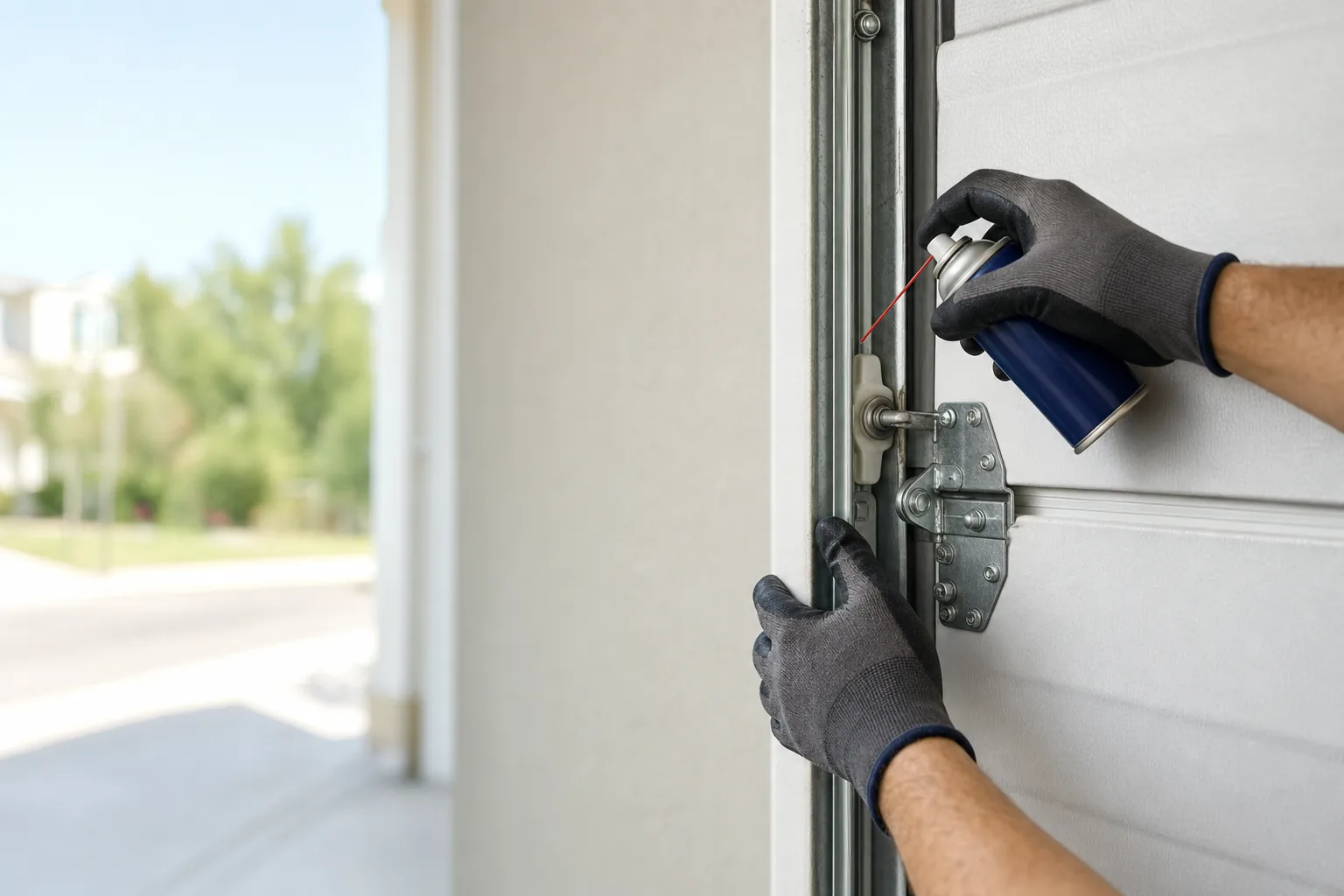
A garage-door-specific silicone or lithium spray on rollers, hinges, bearings and springs. Avoid heavy grease and products that attract dirt, and keep lubricant off the tracks.
Usually. Most noise comes from dry hardware, worn rollers or loose bolts, all of which are addressed in a tune-up. If the noise is a failing opener or spring, we will tell you.
A balanced, lubricated door puts less strain on springs and the opener. Maintenance cannot stop a spring from reaching the end of its rated cycles, but it keeps the whole system from wearing out early.